
New SOP Strengthens Digital E-Seal Oversight in Indonesia’s Logistics Chain
TransTRACK and DJBC KPPBC Tanjung Emas formalize integrated procedures to enhance container monitoring, route control, and SKP-based reporting in import–export supervision.
www.transtrack.net
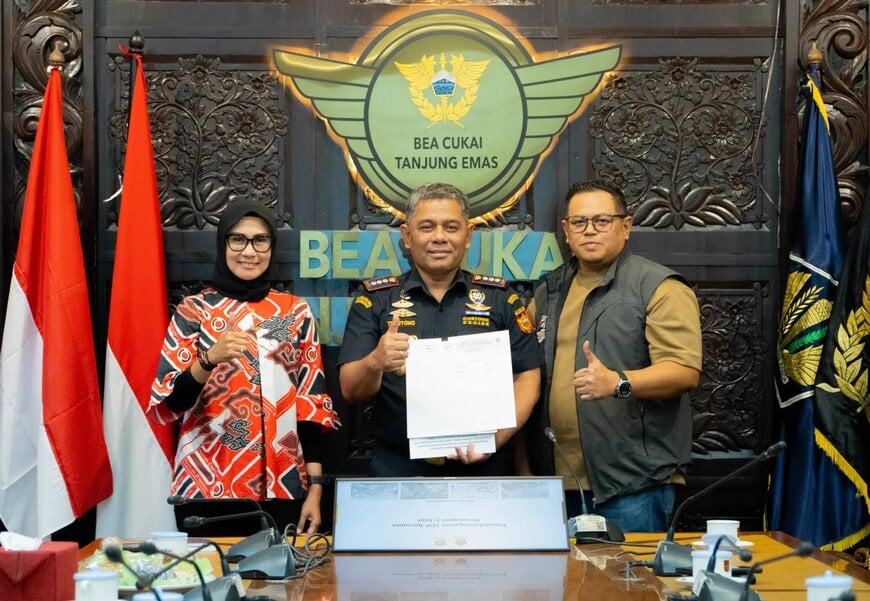
Digital container monitoring has become increasingly important for improving transparency and compliance in Indonesia’s logistics sector. The signing of a Joint Standard Operating Procedure (SOP) between TransTRACK and the Directorate General of Customs and Excise (DJBC) – KPPBC Tanjung Emas established a unified framework for implementing E-Seal technology in import and export operations. The SOP formed part of the Work Instruction for replacing physical seals with electronic seals connected directly to the Service Computer System (SKP).
How the new SOP reinforces national E-Seal implementation
The SOP defined the E-Seal as an electronic sealing device that transmits real-time container location and status to an SKP-approved system. Its adoption aimed to support secure and traceable container movements across Indonesia’s supply chain. The document outlined operational requirements such as device installation, system integration, documentation uploads, and mandatory reporting of disruptions within specified time limits.
This framework provided clarity for logistics operators and established a measurable standard for digital seal usage, which has been essential for strengthening audit trails and reducing manual inspection workloads.
Requirements for service users and technology providers
According to the SOP, service users—including importers, exporters, transportation companies, TPS operators and other stakeholders—needed to hold documents such as BC 1.2, PLP, or an off-site customs storage permit before requesting an E-Seal. This ensured that E-Seal issuance aligned with verified cargo movements.
Providers such as TransTRACK carried the responsibility of ensuring device availability, maintaining system reliability, supporting integration with SKP, addressing technical issues, and supplying documentation as defined in their work contracts. These obligations established accountability for data accuracy and device performance throughout the logistics process.
Route control and operational timing expectations
Each shipment was required to include a Route Plan detailing the travel path, geofence boundaries, estimated distance and transit time. E-Seals transmitted periodic location updates through a Location Sharing Interval to verify that containers remained within approved routes.
The SOP also specified time limits for key operational steps:
- device installation: maximum 5 minutes
- uploading installation photos: 10 minutes
- device removal: 5 minutes
- uploading removal photos: 10 minutes
By defining precise thresholds, the SOP aimed to maintain cargo flow efficiency while ensuring proper documentation for compliance auditing.
Industry perspectives on digital monitoring
TransTRACK stated that standardized E-Seal procedures and integration with SKP improved accuracy and transparency in digital customs monitoring. The company highlighted the role of IoT and AI in reducing irregularities and supporting faster logistics processes.
DJBC – KPPBC Tanjung Emas emphasized that the Work Instruction reflected an effort to modernize public services, with real-time monitoring designed to improve accountability without disrupting the movement of goods.
Technical features of the TransTRACK E-Seal within the SOP framework
As an E-Seal provider integrated with the national customs system, TransTRACK supplied devices that met the functional requirements of the SOP. Key technical characteristics included:
- real-time GPS tracking
- anti-tampering sensors
- forced-opening detection
- cargo-tracker operating mode
- integration with SKP via a fleet management platform
- unlock commands through app, RFID or Bluetooth
- battery operation of up to 7 days
These specifications supported remote supervision and provided the data granularity required for regulatory compliance.
Comparable solutions on the global market
Internationally, companies such as Orbcomm and Tive offer IoT-based container monitoring devices with anti-tampering and tracking functions. However, many of these products are not natively integrated into Indonesia’s SKP environment. The distinguishing factor for TransTRACK’s solution lay in its alignment with national customs requirements and its adherence to the operational parameters mandated in the official SOP.
Conclusion
The Joint SOP between TransTRACK and DJBC – KPPBC Tanjung Emas established a structured approach to digital container surveillance in Indonesia. By defining technical standards, documentation procedures, and system-integration requirements, the SOP strengthened the reliability of E-Seal technology and supported broader logistics digitalization efforts. The framework enhanced transparency in import–export supervision while offering measurable improvements in oversight, route control and compliance management.
www.transtrack.com
